In the cold winter, household radiators are the core equipment to ensure indoor warmth. But many families may overlook an important issue: radiators also have a "retirement" day. When the service life of radiators is approaching or has expired, if not dealt with in a timely manner, it will not only affect the heating effect, but may also pose safety hazards. This article will provide a detailed answer on how to deal with household radiators when they reach the end of their service life. Redwood tree radiator editor will help you.
How to determine if the radiator has reached its service life?
Firstly, it should be clarified that radiators made of different materials have different "life cycles". The normal service life of steel radiators is usually 10-15 years, while the service life of copper aluminum composite radiators can reach 15-20 years. If properly maintained, old-fashioned cast iron radiators can even be used for more than 20 years. However, in actual use, the lifespan of radiators may be affected by factors such as water quality, usage environment, and maintenance, which may lead to premature aging.
To determine whether a radiator has expired, the following signals can be used: large areas of rust, corrosion, or bulges on the surface; Frequent water leakage and seepage during heating; The heat dissipation effect significantly decreases, and even after the exhaust and water are drained, the room temperature still cannot meet the standard; Loose or sealing failure at the interface; The usage time has exceeded the theoretical lifespan of the corresponding material. If these situations occur, even if the appearance of the radiator appears intact, it is recommended to evaluate the necessity of replacement in a timely manner.
The risk of not replacing radiators when they expire cannot be ignored
Many families believe that radiators do not need to be replaced as long as they can dissipate heat, which carries significant risks. Radiators that have exceeded their service life may have severe corrosion inside, thinning of pipeline walls, and decreased pressure resistance. When heating pressure fluctuates, they are prone to bursting and leaking, which can cause furniture to become damp and damaged, and in severe cases, may lead to neighborhood disputes or property losses. 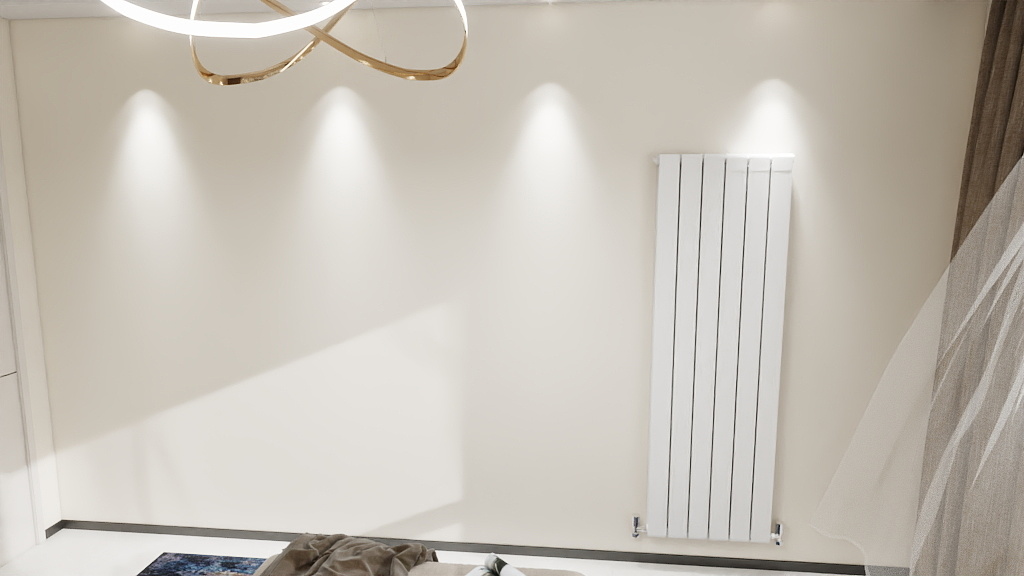
From the perspective of heating effect, aging radiators are prone to accumulate water, dirt, and rust inside, and their heat dissipation efficiency will decrease year by year, which may lead to the situation of "heating fees paid but room temperature not meeting standards", and instead increase heating costs. In addition, the safety of old radiators cannot be guaranteed, and some early products may have problems such as substandard materials and outdated welding processes, posing safety hazards for long-term use.
The correct process and precautions for replacing radiators
When it is determined that the radiator needs to be replaced, following a scientific replacement process can ensure the safe and efficient operation of the new system. Firstly, it is necessary to choose the appropriate timing for replacement, with the best time being during non heating seasons (such as spring and autumn). At this time, construction will not affect normal heating, and the installation team's schedule is relatively flexible, which can ensure construction quality.
When choosing a new radiator, it is important to pay attention to material compatibility: for central heating users, if the water quality is alkaline, it is recommended to choose copper aluminum composite radiators; Self heating users can prioritize steel radiators. At the same time, the required heat dissipation should be calculated based on the room area and insulation situation to avoid the situation of "small horse pulling big car" or "big horse pulling small car". When making a purchase, it is important to choose a reputable brand product and check for key information such as anti-corrosion treatment and warranty period.
Attention should be paid during the installation process: when removing the old radiator, the inlet valve and return valve should be closed first to avoid water leakage; The installation position of the new radiator should be as consistent as possible with the original position to reduce pipeline changes; After installation, a pressure test must be conducted to maintain a pressure of 0.6-0.8MPa. It can only be considered qualified if there is no pressure drop after stabilizing for 30 minutes. After installation, it is necessary to keep the product manual, warranty card, and other materials for future maintenance.
Processing and recycling of old radiators
Do not discard the old radiator that has been replaced casually. Proper disposal can not only avoid resource waste, but also recover some costs. Cast iron radiators and steel radiators contain metal materials and can be recycled by contacting professional recycling agencies. The recycling price fluctuates according to the metal market price and can generally offset some of the purchase cost of new radiators.
For old radiators that still have practical value (such as products that have been replaced due to decoration but have good performance), they can be transferred to users in need through second-hand platforms, but the service life and actual condition must be clearly informed. It should be noted that after the old radiator is removed, the pipeline interface should be promptly sealed to prevent debris from entering the main pipeline and affecting the operation of the entire heating system.
Daily maintenance suggestions for extending the lifespan of radiators
Daily maintenance is crucial to avoid premature retirement of radiators. After the heating season ends, the inlet and return valves of the radiator should be closed to allow water to remain inside the radiator for "full water maintenance", isolating air contact and reducing oxidation and corrosion of the inner wall; Check if the interface is loose before heating every year and tighten it in a timely manner; Regularly clean the dust on the surface of the radiator to maintain smooth heat dissipation; When rust is found on the surface, it should be sanded and repainted in a timely manner.
|



 : 400-186-5080
 : 1250561452
 : 1250561452@qq.com